
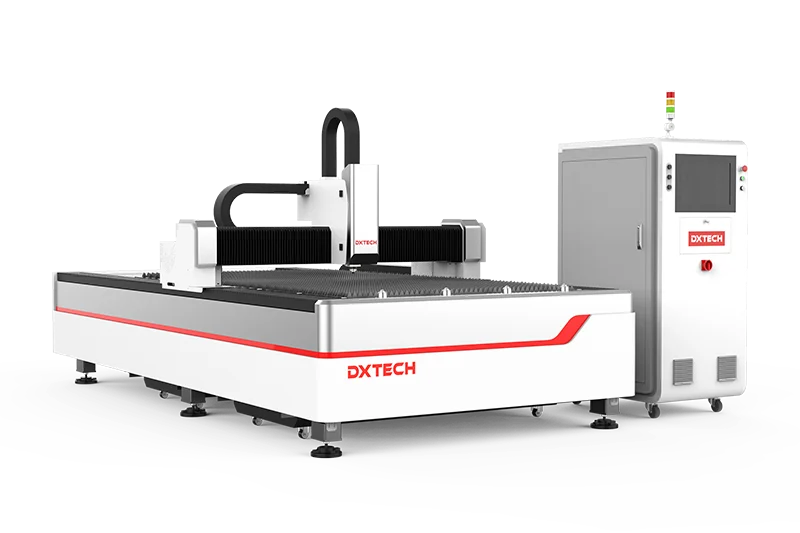
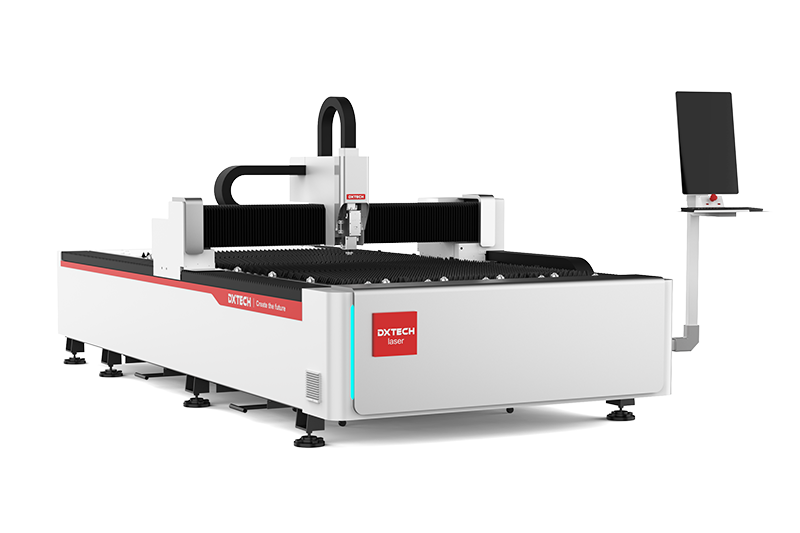
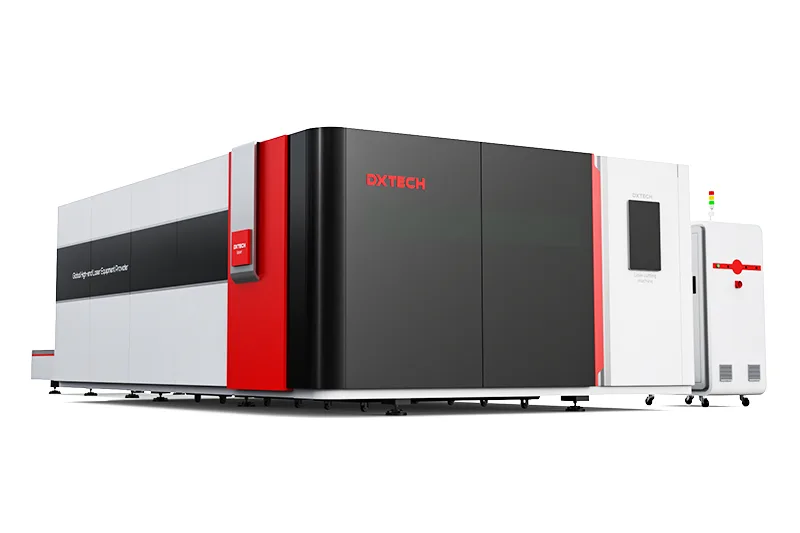
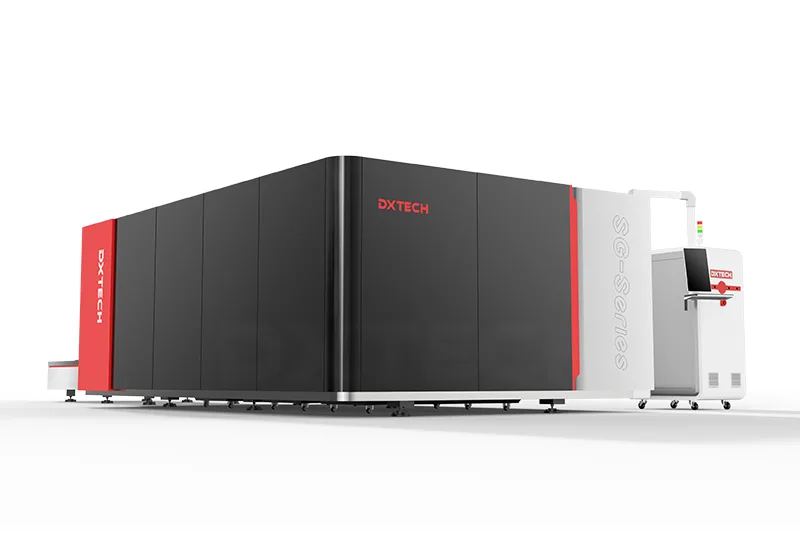
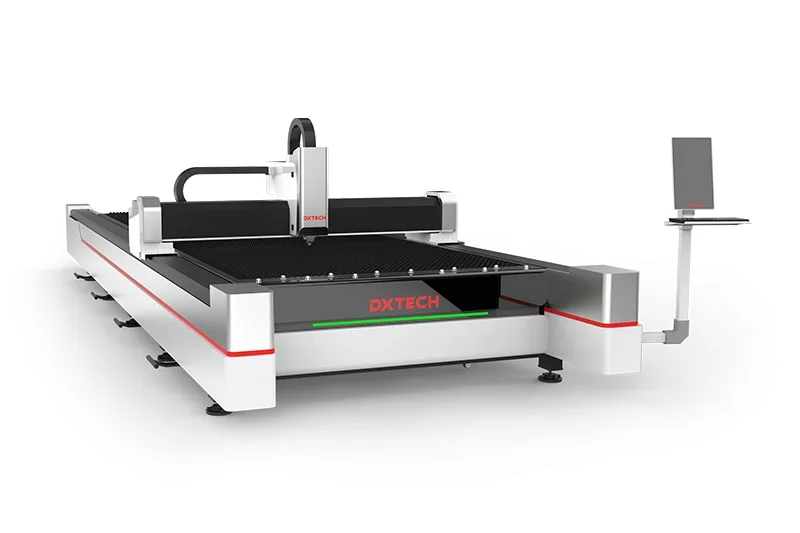
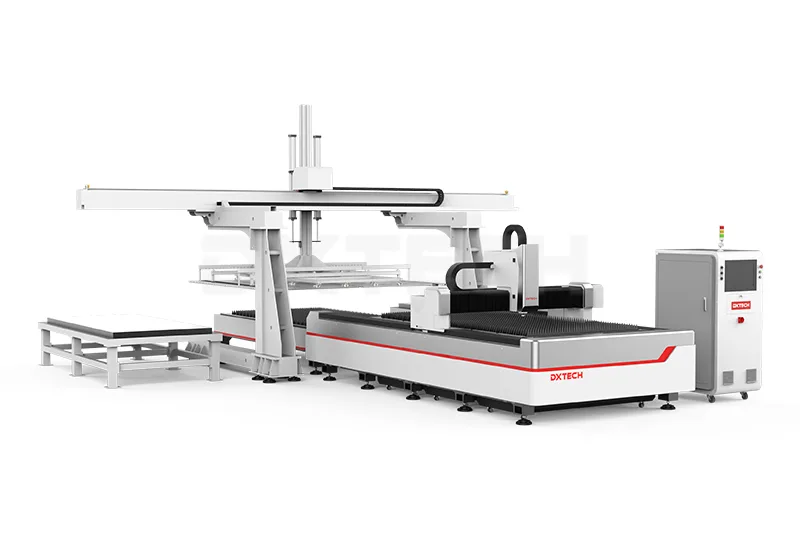
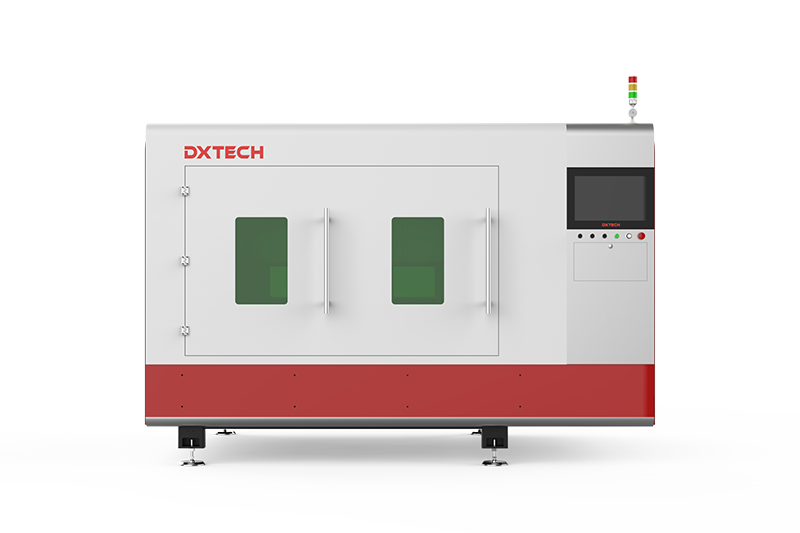
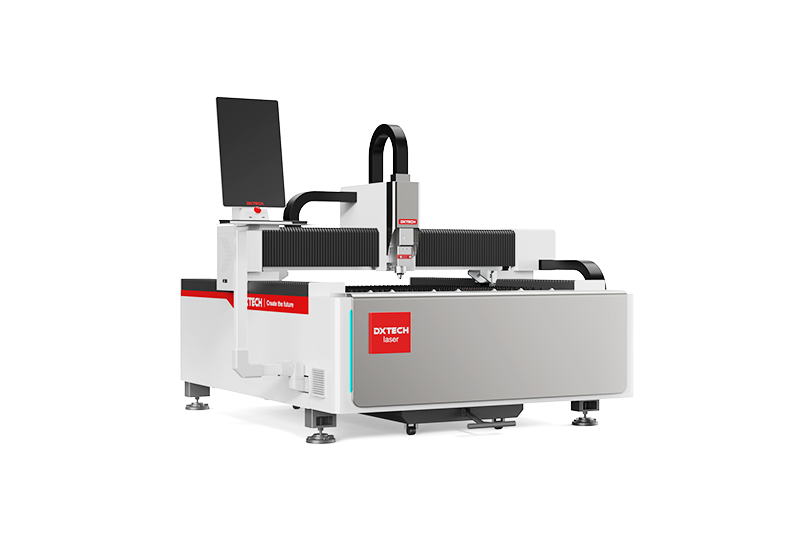
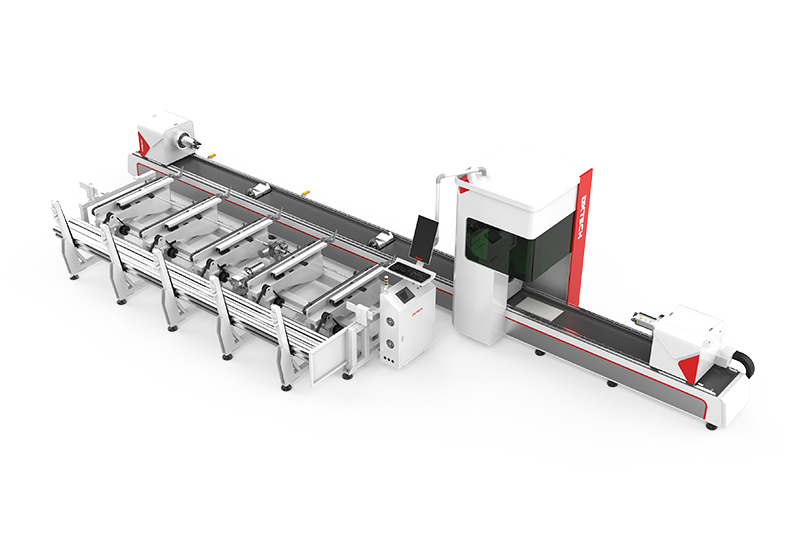
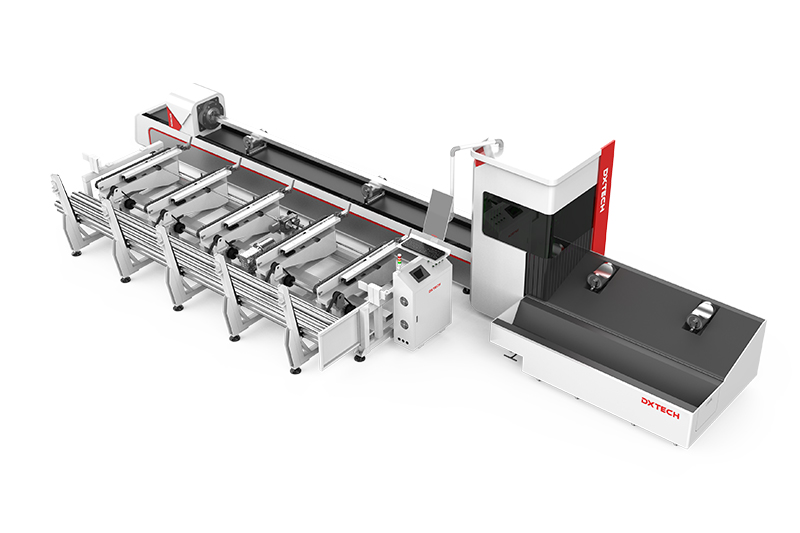
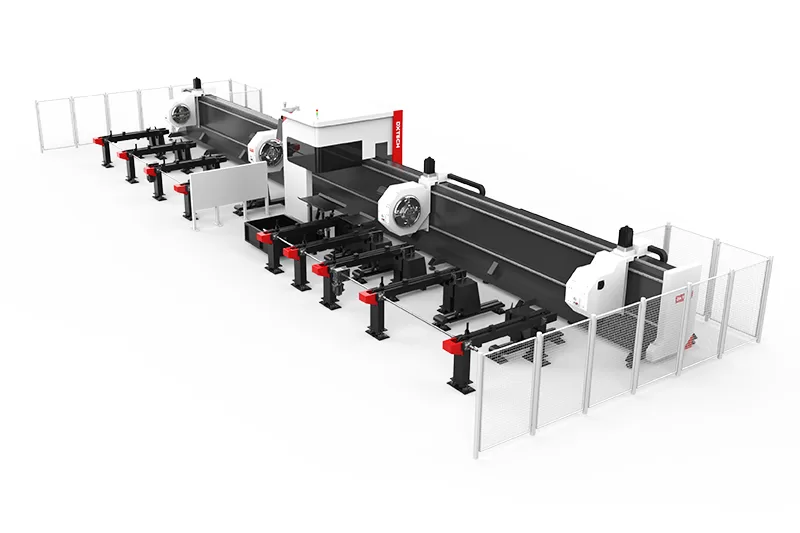
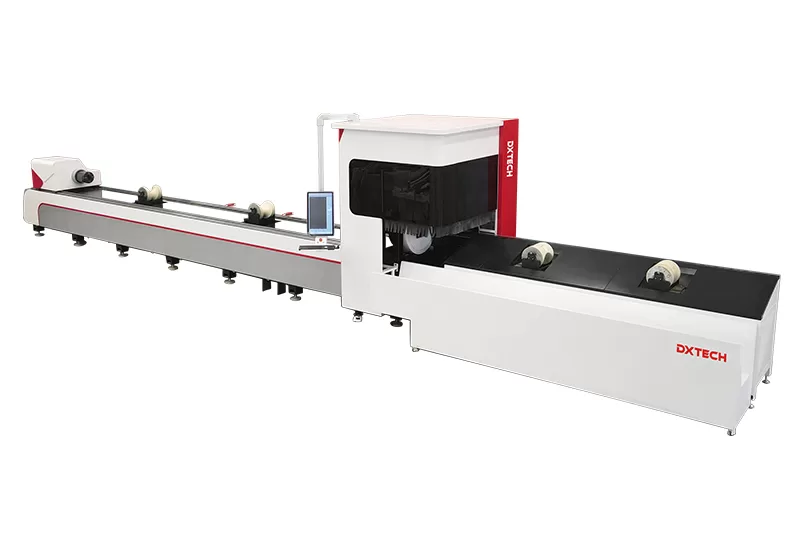
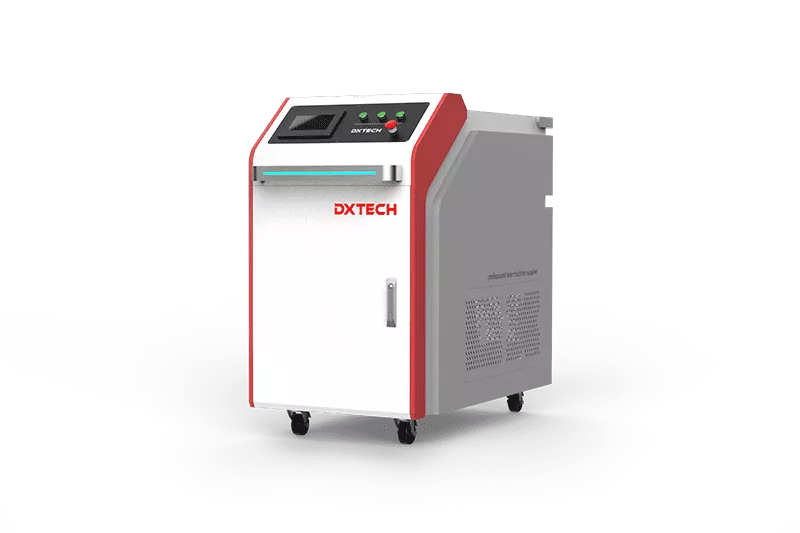
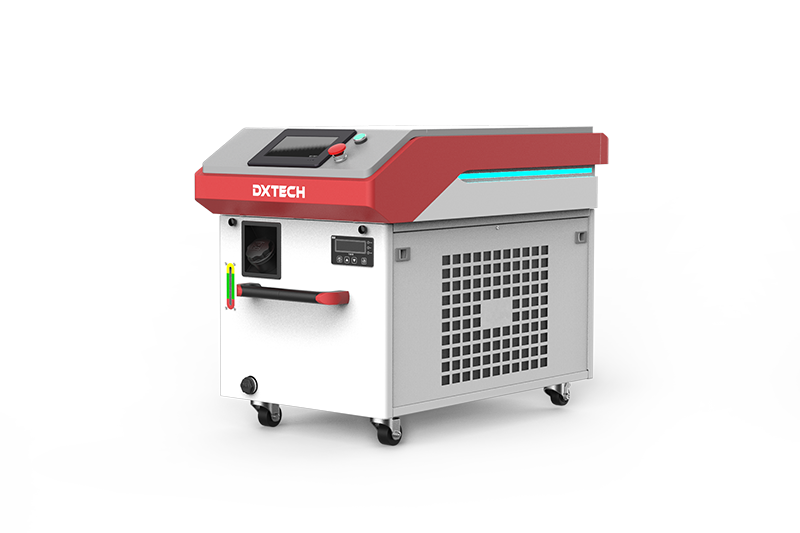
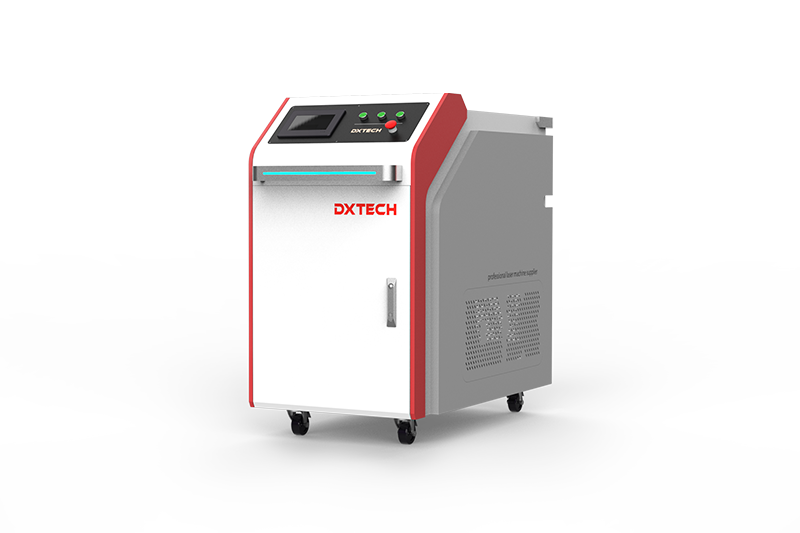
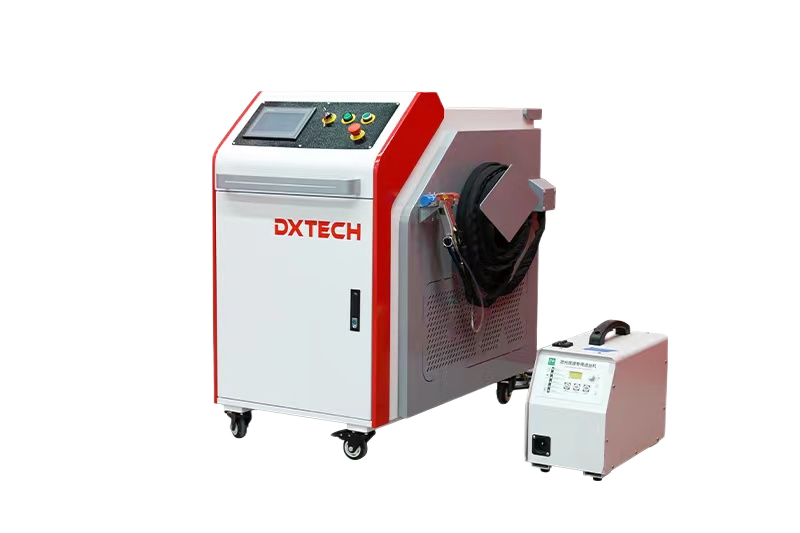
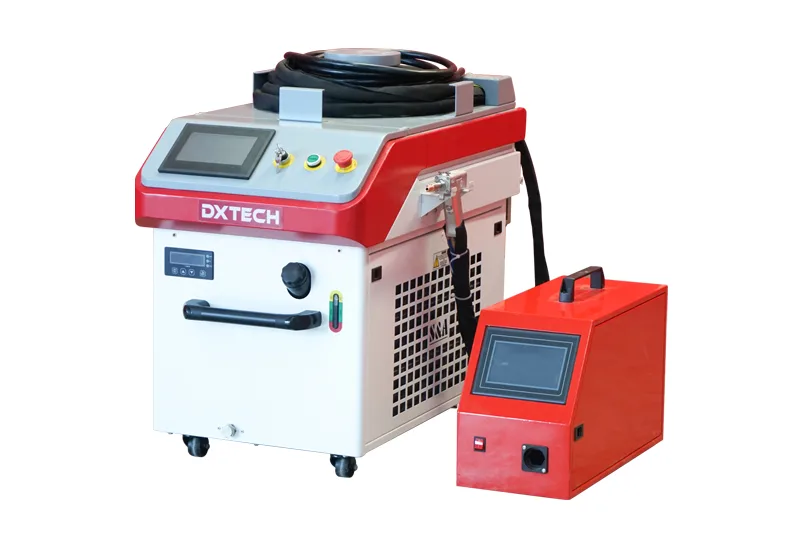
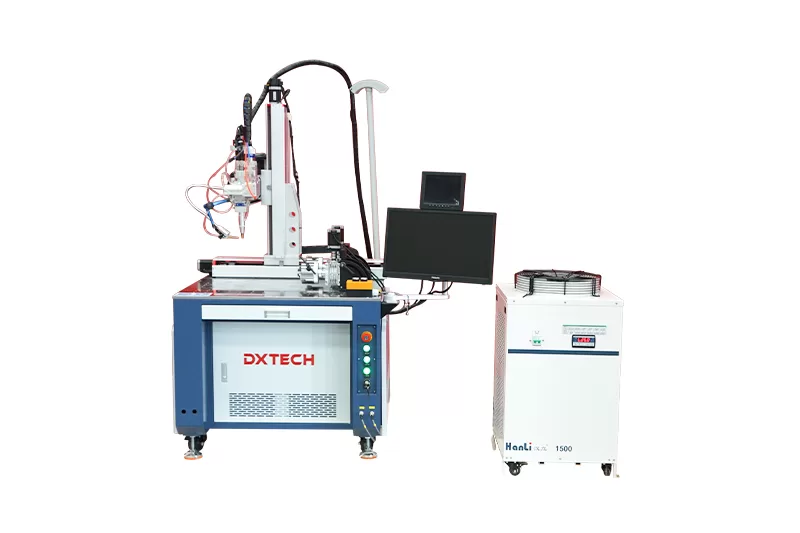
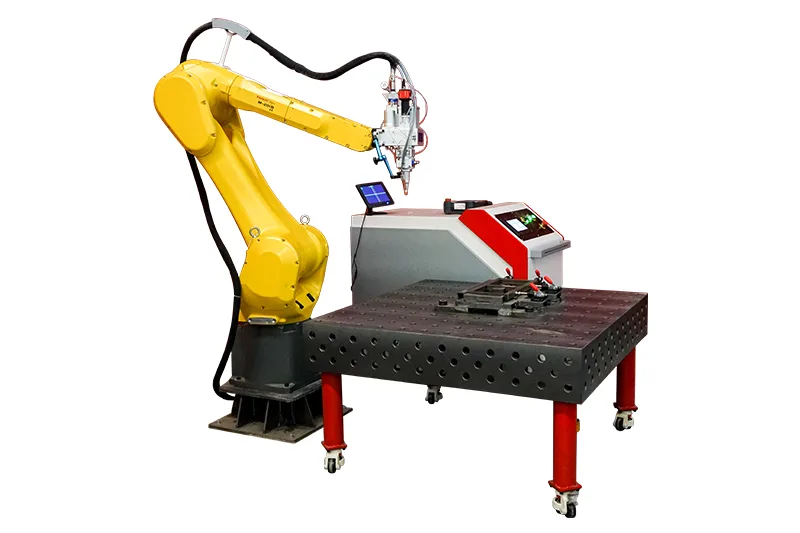
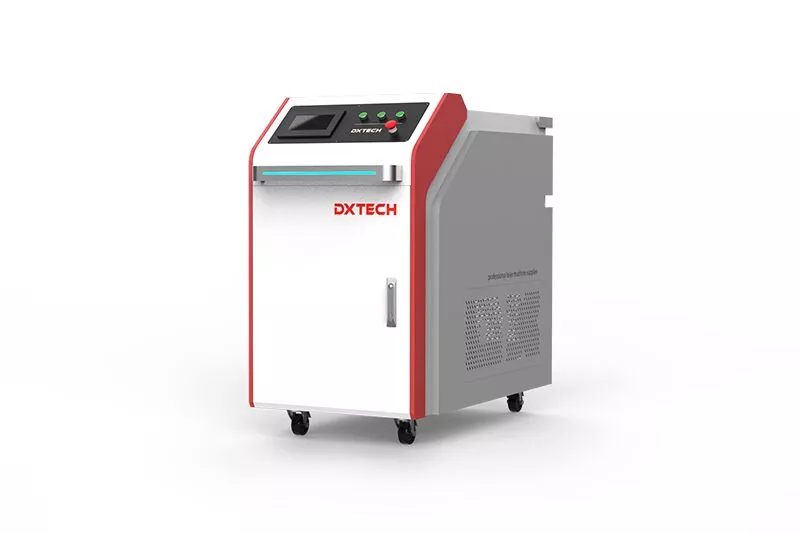
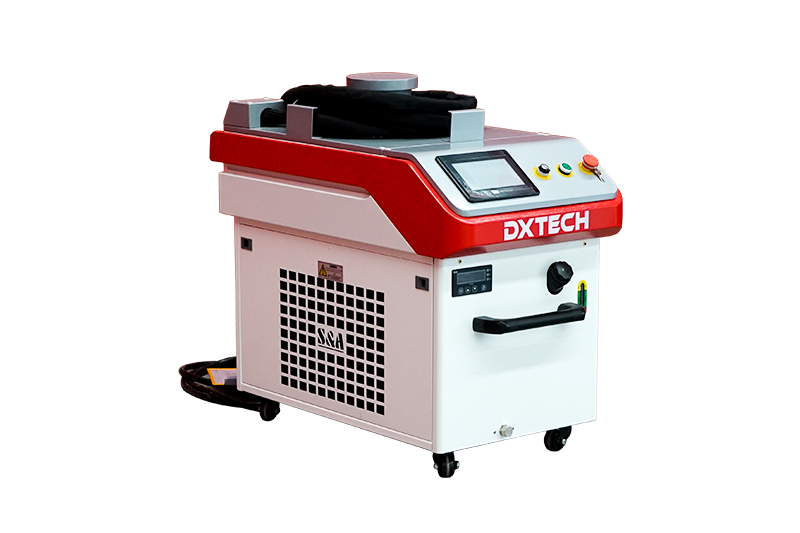
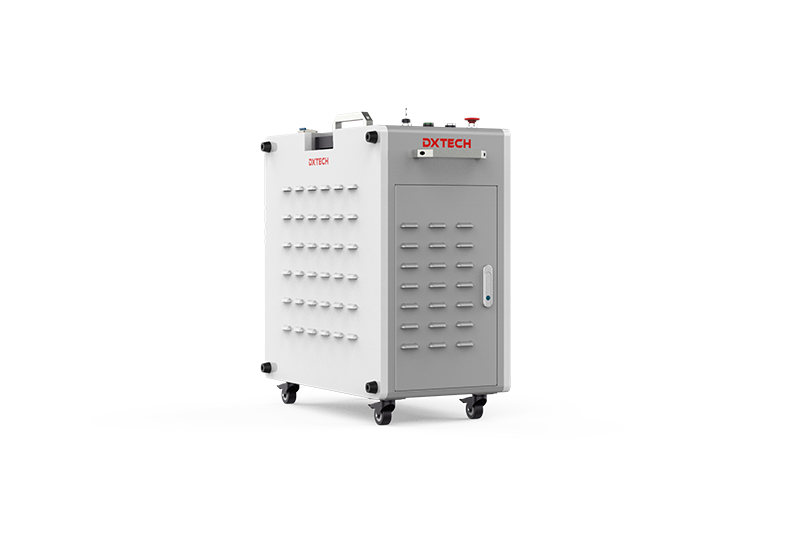
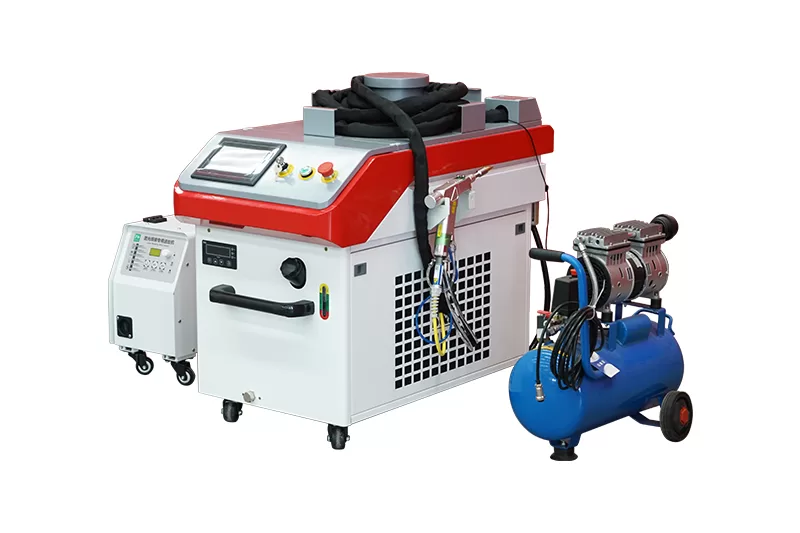
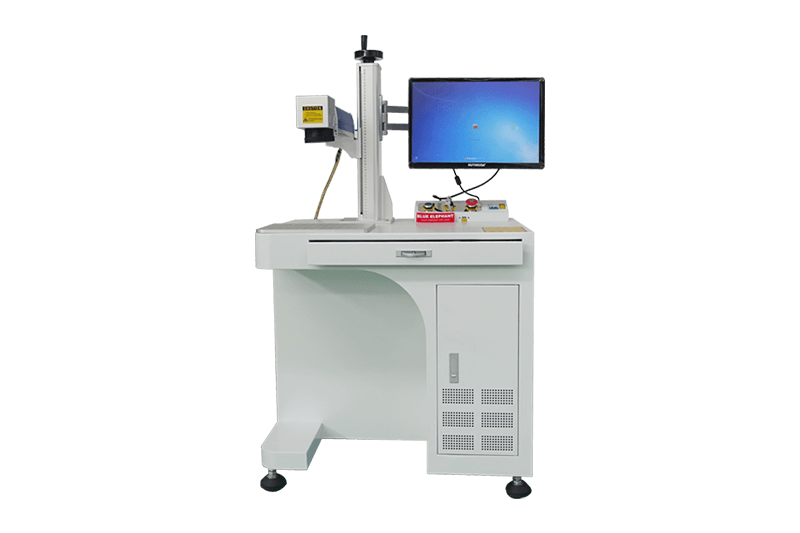
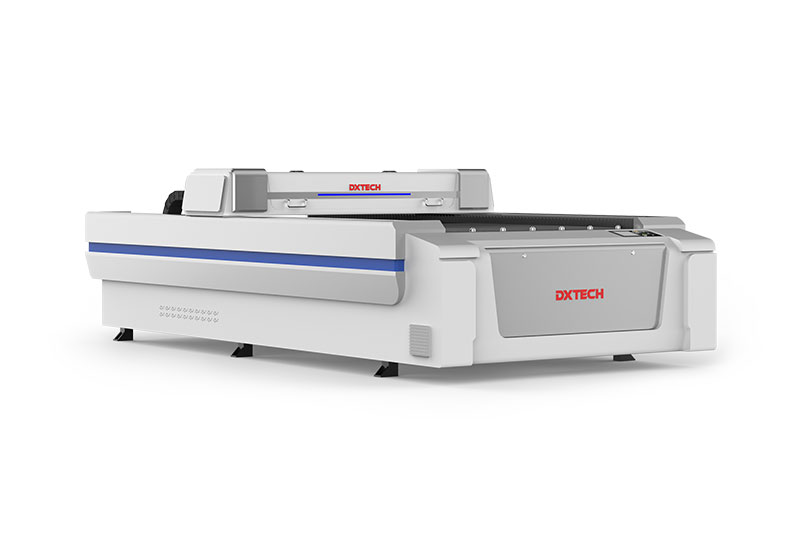

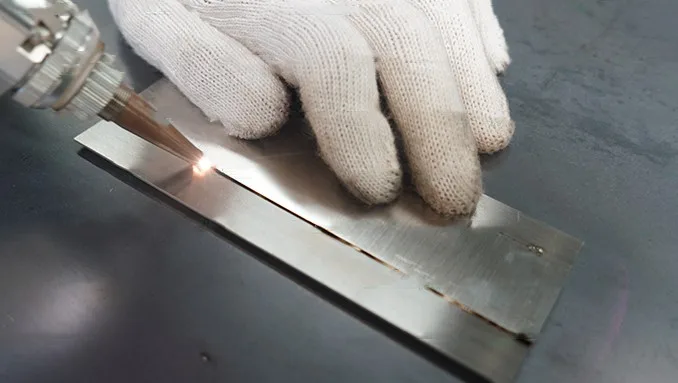
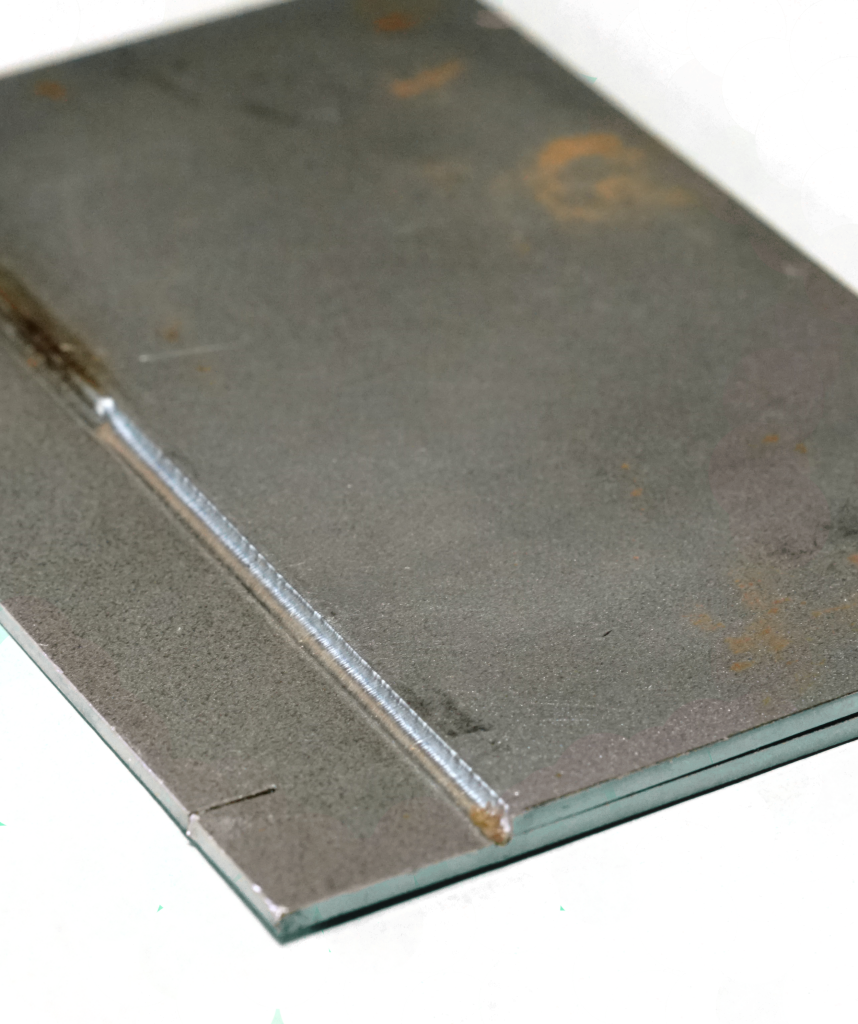
Laser welding technology uses high-energy laser pulses to locally heat materials in a small area. The energy of laser radiation diffuses into the interior of the material through heat conduction, melting the material to form a specific molten pool. Mainly aimed at welding thin-walled materials and precision parts, the welding speed is fast, the welds are smooth, beautiful and of high quality. According to the welding position and form, welding methods such as vertical welding, laser fillet welding, laser tailor welding, and laser stack welding can be realized. The following will briefly introduce the characteristics and applications of the above laser welding methods.
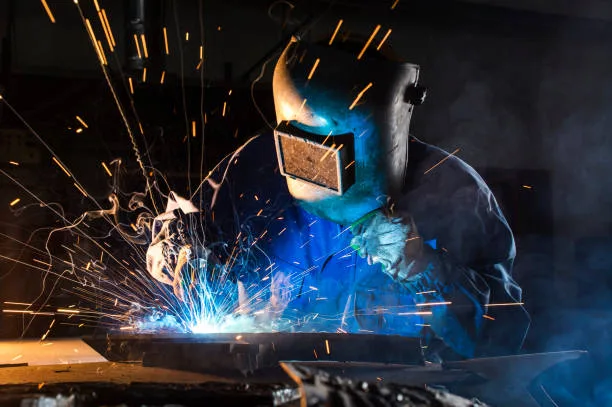
1. Laser Vertical Welding
Vertical welding refers to placing two parallel workpieces vertically so that their end faces face each other, and then using a laser beam to weld along the contact line of the end faces to form a vertical seam perpendicular to the surface of the workpiece. Vertical welding is suitable for butt or overlap connection of thicker plates or pipes, such as steel structures, bridges, ships, etc. The advantages of vertical welding are that it can achieve full penetration or partial penetration without filling material, small seam width, small deformation, and high strength. The disadvantage of vertical welding is that it requires high laser power and precise alignment control, otherwise it is easy to produce offset or discontinuous seams.
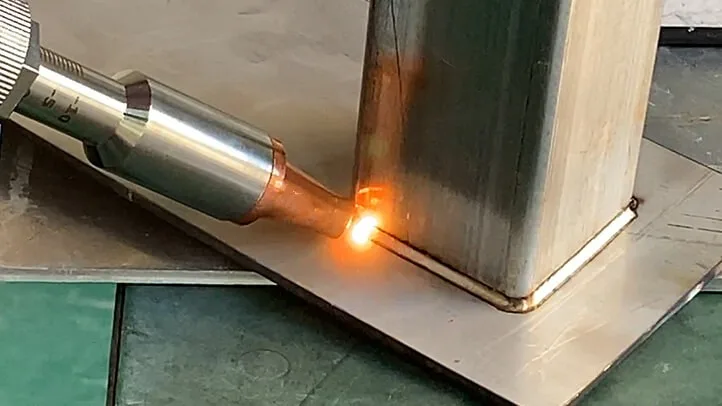
2. Laser Fillet Welding
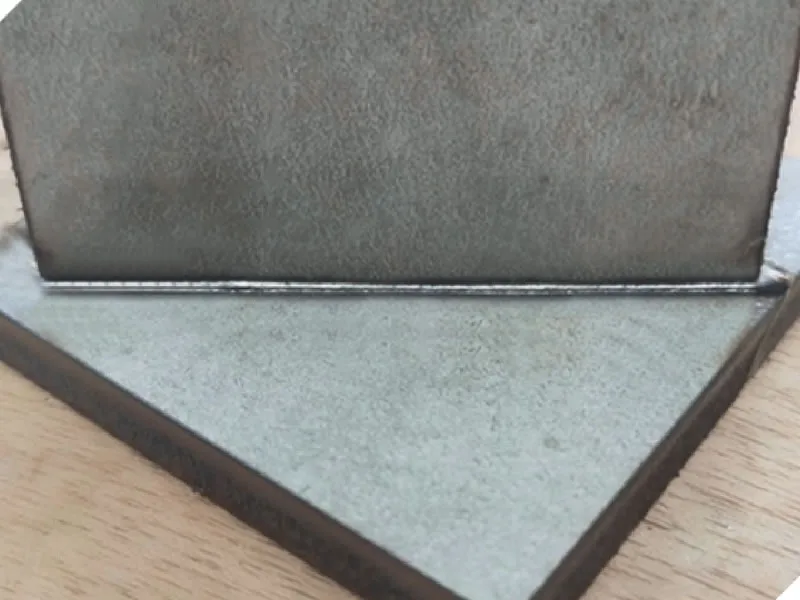
Fillet welding refers to placing two workpieces at a certain angle so that their edges intersect, and then using a laser beam to weld along the intersection line of the edges to form a corner seam at a certain angle with the surface of the workpiece. Fillet welding is suitable for connecting workpieces of different shapes or thicknesses, such as boxes, frames, brackets, etc. The advantage of fillet welding is that it can achieve various angles and forms of connection, such as right angle, bevel angle, T-type, V-type, etc., without filling material, small seam width, small deformation, and high strength. The disadvantage of fillet welding is that it requires high laser power and precise alignment control, otherwise it is easy to produce offset or discontinuous seams.
3. Laser Tailor Welding
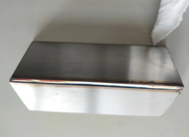
Tailor welding refers to arranging two or more workpieces on the same plane according to a certain pattern so that their edges are adjacent or overlapping, and then scanning or spot welding along the edges with a laser beam to form a seam parallel to the surface of the workpiece. . Tailor welding is suitable for joining thin plates or films of the same or different materials, such as circuit boards, solar cells, displays, etc. The advantage of tailor welding is that it can achieve a variety of patterns and forms of connection, such as grids, stripes, waves, etc., without filling materials, small seam width, small deformation, and high strength. The disadvantage of tailor welding is that it requires higher laser power and precise scanning or spot welding control, otherwise it is easy to cause missed welding or overburning.
4. Laser Stack Welding
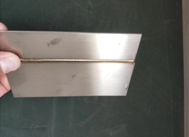
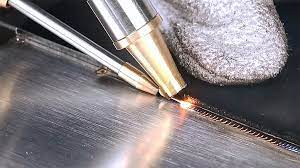
Overlap welding refers to stacking two or more workpieces on the same plane in a certain order so that they partially overlap or completely overlap, and then use a laser beam to scan or spot weld along the overlapping area to form a pattern parallel to the surface of the workpiece. Overlapping seams. Stack welding is suitable for joining thick plates or pipes of the same or different materials, such as automobile parts, aircraft structural parts, chemical equipment, etc. The advantage of stack welding is that it can realize the connection of multiple layers and multiple materials without filling material, small seam width, small deformation and high strength. The disadvantage of stack welding is that it requires higher laser power and precise scanning or spot welding control, otherwise it is easy to cause leakage or overburning.
In summary, laser welding is an efficient, high-quality, and highly adaptable welding method that has broad application prospects in various fields. If you want to know more about laser welding machine technology, please consult the DXTECH laser official website or contact us. We will provide you with professional consultation and services, thank you!